What causes vertigo? the most common causes of vertigo are inner ear infections or diseases of the ear such as benign paroxysmal positional vertigo (bppv), vestibular neuritis, and meniere's Vertigo can happen to anyone, and there is no way to prevent the first episode. because vertigo can be associated with an intense sense of imbalance, it is important to avoid situations in which a fall could cause significant harm, like climbing a ladder or working on a slanted roof. The signs and symptoms of benign paroxysmal positional vertigo (bppv) may include: 1. dizziness 2. a sense that you or your surroundings are spinning or moving (vertigo) 3. a loss of balance or unsteadiness 4. nausea 5. vomitingthe signs and symptoms of bppv can come and go, with symptoms commonly lasting less than one minute. episodes of benign paroxysmal positional vertigo can disappear for some time and then recur. activities that bring about the signs and symptoms of bppv can vary from per Hypothermia is a medical emergency that occurs when your body loses heat faster than it can produce heat, causing a dangerously low body temperature. normal body temperature is around 98. 6 f (37 c). hypothermia (hi-poe-thur-me-uh) occurs as vertigo causes your body temperature falls below 95 f (35 c). when your body temperature drops, your heart, nervous system and other organs can't work normally. left untreated, hypothermia can eventually lead to complete failure of your heart and respiratory system and ev

Vertigo Causes Symptoms And Treatments
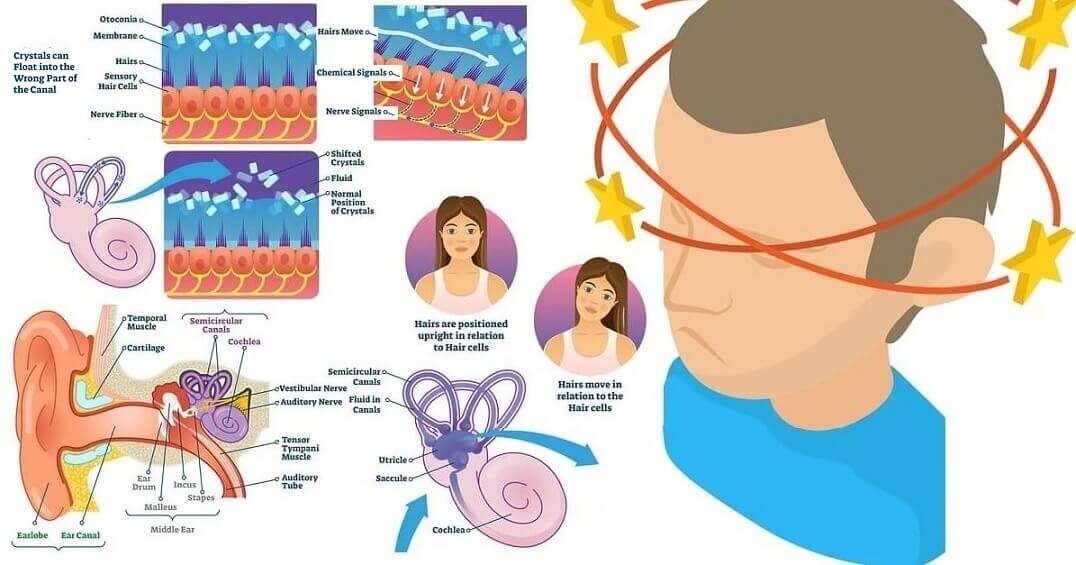
Hipotermia e hipertemia hipertermia para toma de temperatura bucal, axilar e inguinal necesitamos: termómetros mercuriales (bulbo). portatermómetro conteniendo solución desinfectante y esterilizante. recipiente con torundas secas recipiente con solución jabonosa. bolsa para. Vertigo is the sensation that either your body or your environment is moving (usually spinning). vertigo can be a symptom of many different illnesses and disorders. the most common causes of vertigo are illnesses that affect the inner ear, including: 1. benign paroxysmal positional vertigo — in this condition, a change in head position causes a sudden sensation of spinning. the most likely cause is small crystals that break loose in the canals of the inner ear and touch the sensitive nerve en
Mar 04, 2021 · what is a hypertensive crisis? a hypertensive crisis is a sudden spike in blood pressure to 180/120 or higher. a normal blood pressure is 119/79 or lower. a hypertensive crisis is also known as acute hypertension. Before you or your children step out into cold air, remember the advice that follows with the simple acronym cold — cover, overexertion, layers, dry: 1. cover. wear a hat or other protective covering to prevent body heat from escaping from your head, face and neck. cover your hands with mittens instead of gloves. 2. overexertion. avoid activities that would cause you to sweat a lot. the combination of wet clothing and cold weather can cause you to lose body heat more quickly. tiga. layers. wear
Hypothermia Wikipedia
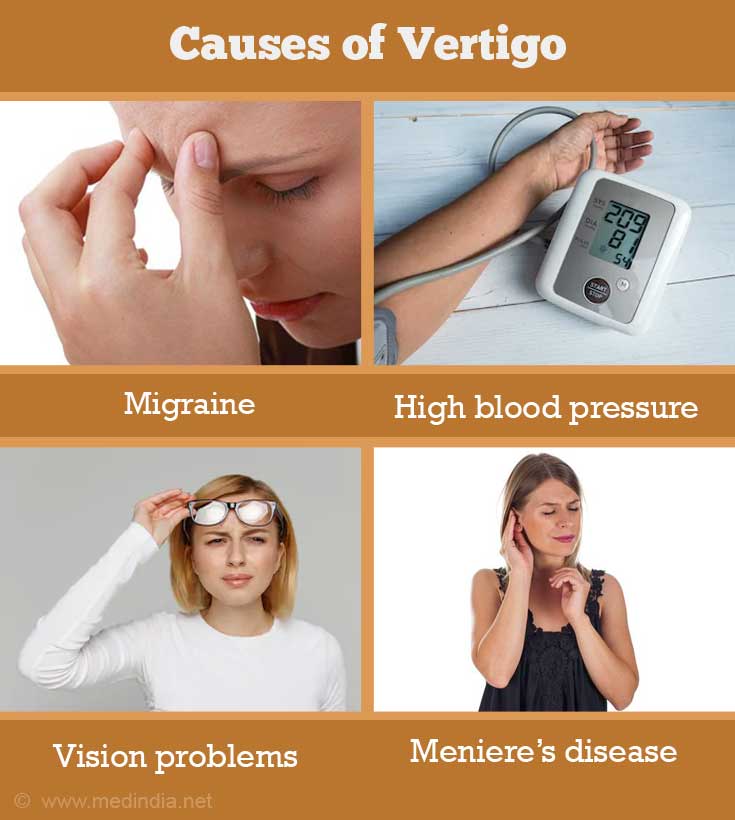
See full list on mayoclinic. org. Jul 17, 2015 · what causes vertigo? the most common causes of vertigo are inner ear infections or diseases of the ear such as benign paroxysmal positional vertigo (bppv), vestibular neuritis, and meniere's Causes many things can bring on a bout of vertigo, including inner ear infections, migraines and even some medications, including those used to treat high blood pressure or anxiety. See full list on drugs. com.
Benign paroxysmal positional vertigo (bppv) is one of the most common causes of vertigo — the sudden sensation that you're spinning or that the inside of your head is spinning. benign paroxysmal positional vertigo causes brief episodes of mild to intense dizziness. benign paroxysmal positional vertigo is usually triggered by specific changes in the position of your head. this might occur when you tip your head up or down, when you lie down, or when you turn over or sit up in bed. although benig Conclusões: na reanimação pós paragem cardı́aca por asfixia em ratos, a hipotermia ligeira com hipertensão induzida está, nas mesmas condições anestésicas e vertigo causes de canulação de vasos, associada a melhor taxa de sobrevivência. este efeito benéfico persistiu durante 4 semanas pós rce. Hypertension is the medical term for high blood pressure. the definition of high blood pressure changed in 2017, when the american college of cardiology and the american heart association revised.
Most cases of vertigo last vertigo causes a few hours to a few days. symptoms caused by acute labyrinthitis almost always go away without permanent injury. other causes of vertigo may result in symptoms that are more persistent. Vertigo is a sensation that the world is spinning when a person is standing still. this specific kind of dizziness causes loss of balance. vertigo is a sensation of everything moving even when a person is standing still. people with vertigo.
Benign paroxysmal positional vertigo (bppv) is one of the most common causes of vertigo — the sudden sensation that you're spinning or that the inside of your head is spinning. bppv causes brief episodes of mild to intense dizziness. it is usually triggered by specific changes in your head's position. 1 in which the authors implicate that hypothyroidism is a cause of hypertension. however, hypertension is not a typical sign of hypothyroidism. this misconception is more vertigo causes than 80 years old with owen thompson and colleagues.
Penaksiran And Treatment Of Hypothermia American Family Physician


Vertigo can feel like the room is spinning or like you are spinning in the room, or it can be just a sense of imbalance. it may be associated with nausea, vomiting and ringing in one or both ears (tinnitus). What is a hypertensive crisis? a hypertensive crisis is a sudden spike in blood pressure to 180/120 or higher. a normal blood pressure is 119/79 or lower. a hypertensive crisis is also known as acute hypertension. Shivering is likely the first thing you'll notice as the temperature starts to drop because it's your body's automatic defense against cold temperature — an attempt to warm itself. signs and symptoms of hypothermia include: 1. shivering 2. slurred speech or mumbling tiga. slow, shallow breathing 4. weak pulse 5. clumsiness or lack of coordination 6. drowsiness or very low energy 7. confusion or memory loss 8. loss of consciousness 9. bright red, cold skin (in infants)someone with hypothermia usua
Post a Comment for "Vertigo Causes"